Bio X Cell offers the most published and extensive selection of Anti-Mouse and Anti-Human CTLA-4 antibodies, including recombinant antibodies and Biosimilars, for your in vivo and in vitro pre-clinical research.
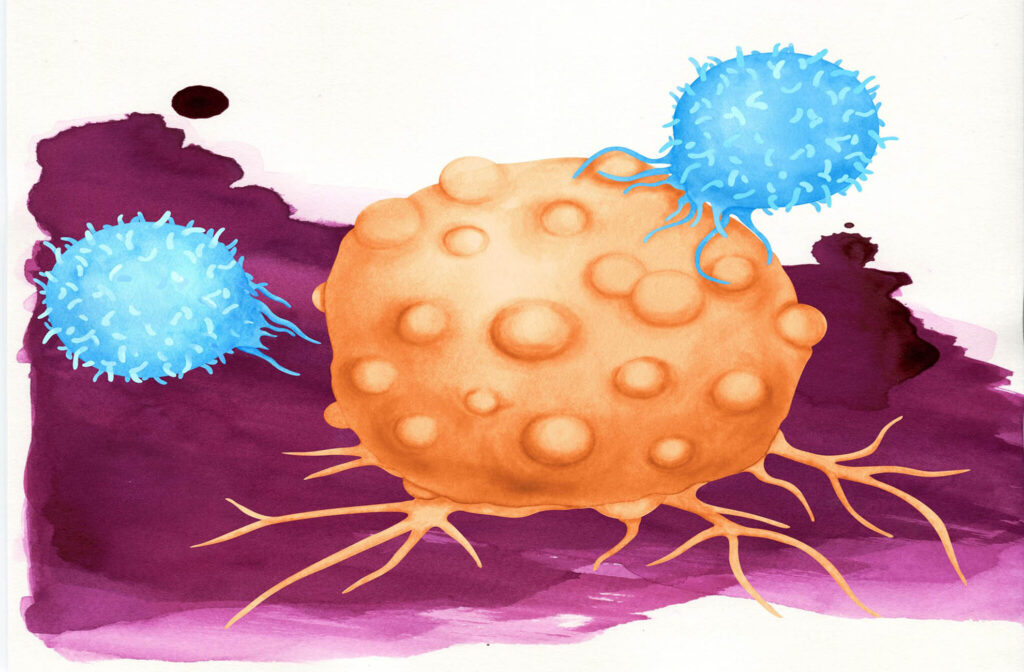
Cytotoxic T lymphocyte-associated antigen 4 (CTLA-4) is a co-inhibitory receptor predominantly expressed on T cells. CTLA-4 maintains immune homeostasis during T-cell activation. CTLA-4 signaling results in immunosuppression and restricted T cell function, and its deficiency results in autoimmunity. Through a process called co-stimulation, the activation of T cells is dependent on the binding of CD28 to its ligands, CD80 (B7-1) and CD86 (B7-2). CTLA-4 preferentially binds to CD80/CD86 and transmits inhibitory signals to prevent CD28-mediated T-cell activation. CTLA-4 is constitutively expressed by regulatory T cells (Tregs), which prevents T cells from killing other cells, including cancer cells. Anti-CTLA-4 antibodies block CTLA-4 binding with CD80 and CD86, and the blockade of CTLA-4 enhances anti-tumor immune responses. The major biological effects and the underlying mechanism of action of CTLA-4-blocking antibodies are illustrated in the figure below:
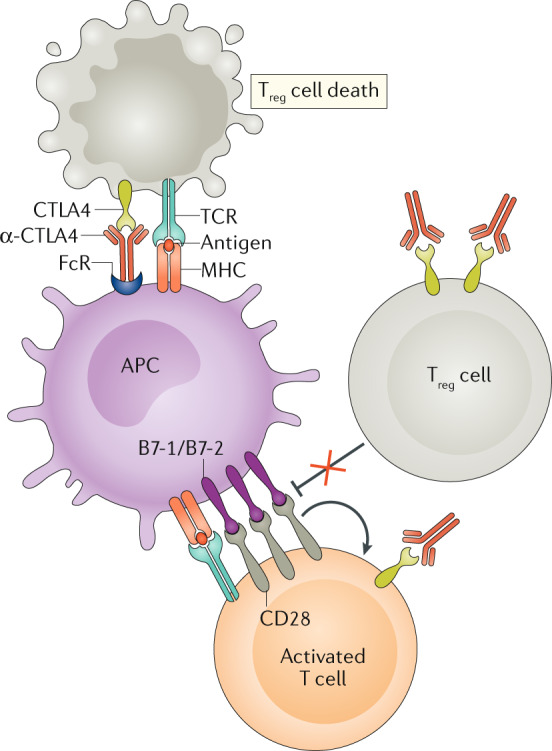
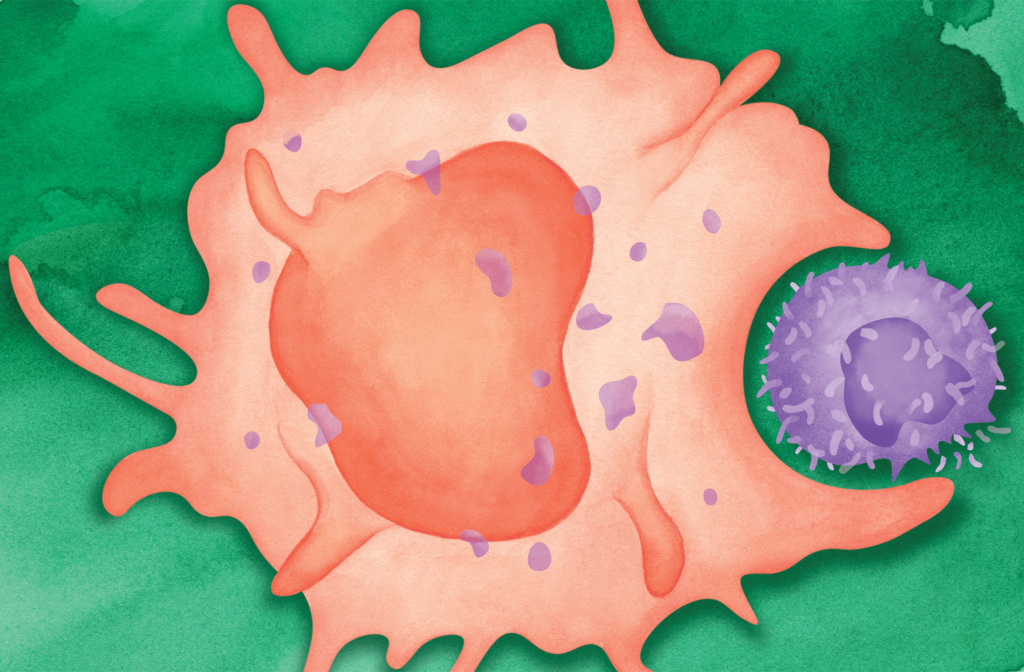
CTLA-4-blocking antibodies (represented as α-CTLA-4 in the diagram) can promote antibody-dependent cellular cytotoxicity (ADCC), especially when bound to an Fc receptor on an antigen-presenting cell (APC). Because CD4+CD25+ Tregs express higher amounts of CTLA-4 than conventional T cells, they are more prone to anti-CTLA-4 antibody-induced ADCC than conventional T cells. Additionally, anti-CTLA-4 antibodies can bind to CTLA-4 on the surface of the Tregs and prevent it from counter-regulating the CD28-mediated co-stimulatory pathways. Concurrently, anti-CTLA-4 antibodies can also promote T cell responses by blocking CTLA-4 on the surface of conventional T cells as they undergo activation. (Source: Waldman et. al., 2020)
The first step in deciding which anti-CTLA-4 antibody is appropriate for your research project is to identify the species reactivity required for your experimental model. Bio X Cell offers anti-mouse, anti-human, and anti-rat CTLA-4 antibodies. Which antibody product to choose would depend on the species of your experimental model. For example, if you are working with mice expressing murine CTLA-4 protein, you want to choose an anti-mouse CTLA-4 antibody. If you are using human cells in culture or humanized mice expressing human CTLA-4, then you want to choose an anti-human CTLA-4 antibody.
Bio X Cell offers anti-mouse CTLA-4 antibodies from three distinct hybridoma clones: 9H10, 9D9, and UC10-4F10-11. Anti-mouse CTLA-4 (CD152) clone 9D9 (Quezada et al. 2006) is a mouse monoclonal antibody that functions in vivo through the depletion of intra-tumoral Tregs and it is also documented to neutralize CTLA-4 in vivo. Anti-mouse CTLA-4 (CD152) clone: 9H10 (Krummel and Allison 1995), on the other hand, is a Syrian hamster IgG that promotes T cell co-stimulation through blocking CTLA-4 binding to its ligands, allowing for CD28 binding. It is reported to neutralize CTLA-4 in vitro as well as in vivo. Importantly, 9H10 also depletes intra-tumoral Tregs, and in a mouse melanoma model, it was shown to have slightly stronger depletion efficacy than 9D9 (Simpson et. al., 2013). The anti-mouse CTLA-4 (CD152) clone UC10-4F10-11 (Walunas et al. 1994) is an Armenian hamster IgG that is great for neutralizing CTLA-4 in vitro as well as in vivo. All three of these antibodies are useful for the detection of murine CTLA-4 via Western blot, while UC10-4F10-11 can be used for flow cytometry as well. Accordingly, the main differences between these antibodies lie in their CTLA-4 blocking capacities, their listed or reported (i.e., published) applications, and their host and isotype.
The next step in choosing an anti-CTLA-4 antibody is to perform a literature search for publications to find an example of published data that uses an experimental model or approach similar to your own. Due to their respective underlying rational reasons, there may be one clone that is more often used for your specific mouse model and experimental setup.
Bio X Cell provides a list of selected references for each antibody we offer, which can be found on the product page. Additional references can be found using search engines such as Google Scholar and PubMed. Searching for the clone-name of the antibody in combination with experiment-specific search terms, for example, "9H10 xenograft tumors BALB/c," is the best approach to finding applicable references. These references will help you select the antibody that best fits your research.
Clone | 9D9 | 9H10 | UC10-4F10-11 |
| InVivoPlus™ Catalog no. | BP0164 | BP0131 | BP0032 |
| Isotype | Mouse IgG2b | Syrian hamster IgG | Armenian hamster IgG |
| Reported Applications | in vivoCTLA-4 neutralizationWestern blotin vivo intra-tumoral regulatory T cell depletion | in vivoCTLA-4 neutralizationin vitro CTLA-4 neutralizationWestern blot | in vivoCTLA-4 neutralizationin vitro CTLA-4 neutralizationWestern blotFlow cytometry |
| Immunogen | Not available or unknown | Mouse CTLA-4-human IgG1 fusion protein | Mouse CTLA-4 IgG2a fusion protein |
| Purity | >95% Determined by SDS-PAGE | >95% Determined by SDS-PAGE | >95% Determined by SDS-PAGE |
| Stabilizers or Preservatives | Free | Free | Free |
| Size | 5, 25, 50, 100 mg and more | 5, 25, 50, 100 mg and more | 5, 25, 50, 100 mg and more |
| Availability | In stock | In stock | In stock |
| Recommended Isotype Control | InVivoPlus™ mouse IgG2b isotype control, unknown specificity | InVivoPlus™ polyclonal Syrian hamster IgG | InVivoPlus™ polyclonal Armenian hamster IgG |
| Recommended Dilution Buffer | InVivoPure™ pH 7.0 Dilution Buffer | InVivoPure™ pH 7.0 Dilution Buffer | InVivoPure™ pH 6.5 Dilution Buffer |
All of Bio X Cell's InVivoPlus™ antibodies, including these anti-CTLA-4 clones, are rigorously tested to ensure that they are murine pathogen-free, have an endotoxin level of <1EU/mg, and a protein aggregation level of <5%. These clones are also available in our cost-effective InVivoMAb™ format. These alternatives are: 9D9 (BE0164), 9H10 (BE0131), and UC10-4F10-11 (BE0032). A detailed explanation of the differences between our InVivoPlus™ and InVivoMAb™ formats can be viewed here.
Bio X Cell also offers recombinant chimeric versions of our three anti-mouse CTLA-4 antibody clones. RecombiMAb™ antibodies are provided as chimeric antibodies with mouse constant regions instead of the typical rat or hamster constant regions. This ensures reduced immunogenicity in sensitive mouse models. Select RecombiMAb™ antibodies are also available in multiple Fc-silenced versions. These Fc-silenced versions have mutations in the Fc fragment of the antibody, rendering them unable to bind to endogenous Fcγ receptors.
| Clone | 9D9-CP008 | 9D9-CP007 | 9D9-CP006 | 9H10-CP146 |
| Catalog no. | CP008 | CP007 | CP006 | CP146 |
| Isotype | Mouse IgG2a, κ | Mouse IgG2a, κ | Mouse IgG1, κ | Mouse IgG1, κ |
| Mutations | LALA-PG | None | None | None |
| Reported Applications | in vivoCTLA-4 neutralization*Western blot**Reported for the original mouse IgG2b 9D9 antibody | in vivoCTLA-4 neutralization*Western blot**Reported for the original mouse IgG2b 9D9 antibody | in vivoCTLA-4 neutralization*Western blot**Reported for the original mouse IgG2b 9D9 antibody | in vivoCTLA-4 neutralization*in vitroCTLA-4 neutralization*Western blot*Reported for the original Syrian hamster IgG 9H10 antibody |
| Immunogen | Not available or unknown | Not available or unknown | Not available or unknown | Mouse CTLA-4-human IgG1 fusion protein |
| Purity | >95% Determined by SDS-PAGE | >95% Determined by SDS-PAGE | >95% Determined by SDS-PAGE | >95% Determined by SDS-PAGE |
| Stabilizers or Preservatives | Free | Free | Free | Free |
| Size | 1mg | 1mg | 1mg | 1, 5, 25, 50, 100 mg and more |
| Availability | In stock | In stock | In stock | In stock |
| Recommended Isotype Control | RecombiMAb mouse IgG2a (LALA-PG) isotype control, anti-hen egg lysozyme | InVivoPlus mouse IgG2a isotype control, unknown specificity | InVivoPlus mouse IgG1 isotype control, unknown specificity | InVivoPlus mouse IgG1 isotype control, unknown specificity |
| Recommended Dilution Buffer | InVivoPure™ pH 7.0 Dilution Buffer | InVivoPure™ pH 7.0 Dilution Buffer | InVivoPure™ pH 7.0 Dilution Buffer | InVivoPure™ pH 7.0 Dilution Buffer |
Bio X Cell also offers multiple anti-human CTLA-4 antibodies for use in humanized mouse models or immunoassays. These include clones BN13 and an Ipilimumab biosimilar antibody.
| Clone | BN13 | Ipilimumab |
| Catalog no. | BE0190 | SIM0004 |
| Isotype | Mouse IgG2a, κ | Human IgG1 |
| Reported Applications | in vitro CTLA-4 neutralizationFlow cytometry | in vivo CTLA-4 neutralizationFlow cytometryELISAWestern Blot |
| Immunogen | Human CTLA-4 recombinant protein | Human CTLA-4 |
| Purity | >95% Determined by SDS-PAGE | >95% Determined by SDS-PAGE |
| Stabilizers or Preservatives | Free | Free |
| Size | 1, 5, 25, 50, 100 mg and more | 1, 5, 25, 50, 100 mg and more |
| Availability | In stock | In stock |
| Recommended Isotype Control | InVivoMAb mouse IgG2a isotype control, unknown specificity | RecombiMAb human IgG1 isotype control, anti-hen egg lysozyme |
| Recommended Dilution Buffer | InVivoPure™ pH 7.0 Dilution Buffer | InVivoPure™ pH 7.0 Dilution Buffer |
Bio X Cell also offers an anti-rat CTLA-4 antibody, clone WKH203 (Lin and Hunig 2003), for use in experiments involving rat models. The WKH203 monoclonal antibody was generated against a purified rat CTLA-4hIg fusion protein, and this antibody neutralizes CTLA-4 in vitro.
For investigating the functional properties of CTLA-4, we also offer a recombinant CTLA-4-Ig fusion protein. CTLA-4-Ig is a fusion protein consisting of the extracellular domain of human CTLA-4 linked to the Fc domain of human IgG. Our recombinant CTLA-4-Ig (hum/hum) is equivalent to the CTLA-4-Ig that was originally created at Bristol-Myers Squibb (BMS), i.e., BMS-188667), which was published by Linsley et al. (1999) in the Journal of Experimental Medicine (JEM). CTLA-4-Ig has been used in human, mouse, rat, and monkey species-based samples in various functional experiments. We offer CTLA-4-Ig in InVivoMAb™ as well as InVivoPlus™ versions.
| Version | InVivoMAb™ | InVivoPlus™* |
| Catalog no. | BE0099 | BP0099 |
| Clone | CTLA-4-Ig (hum/hum) | CTLA-4-Ig (hum/hum) |
| Purity | >95% Determined by SDS-PAGE | >95% Determined by SDS-PAGE |
| Endotoxin Levels | <2EU/mg (<0.001EU/μg) Determined by LAL gel clotting assay | <1EU/mg (<0.001EU/μg) Determined by LAL gel clotting assay |
| Stabilizers or Preservatives | Free | Free |
| Size | 1, 5, 25, 50, 100 mg and more | 5, 25, 50, 100 mg and more |
| Availability | In stock | In stock |
| Recommended Dilution Buffer | InVivoPure™ pH 7.0 Dilution Buffer | InVivoPure™ pH 7.0 Dilution Buffer |
* Additional quality control measures for our InVivoPlus™ products include advanced binding validation, murine pathogen screening, protein aggregation screening, and ultra-low endotoxin levels. The superior quality of our InVivoPlus™ products will meet and exceed the strict demands and rigorous standards required for in vivo research. Learn more about the InVivoPlus™ difference here.
References
Related Article: How To Choose An Anti-PD-1 Antibody For Your Research



In Vivo Monoclonal Antibodies (Mabs) | Isotype Controls | InVivoSIM™ Biosimilar Antibodies | RecombiMAb™ | PD-1 | TIGIT, TIM-3, LAG-3 | Reagents
We gladly support you by keeping you updated on our latest products and developments