Atlas Antibodies: Explore how CD markers advance cancer research, providing critical insights into cell populations and disease prognosis.
This news was updated in November 2024.
CD markers, or Cluster of Differentiation markers, play a critical role in neurobiology and cancer research by identifying and characterizing specific cell populations. These markers serve as a classification system for surface proteins on immune cells and various other cell types, with each CD marker assigned a unique identifier that relates to a specific protein or antigen.
Monitoring the expression profiles of different CD antigens allows the identification, isolation, and phenotyping of cell types according to their function in various immune processes.
In immunology, CD markers help distinguish different immune cell types, such as helper T cells (CD4+) and cytotoxic T cells (CD8+), providing insight into immune functions and disease mechanisms. This extensive catalog of markers on cells like B cells, dendritic cells, and monocytes allows for precise categorization and understanding of immune responses.
CD markers do not always correspond with specific biological functions, as many markers are multifunctional and expressed on various cell types. Ongoing research continues to uncover new roles and applications for CD markers, reflecting their complexity and adaptability.
CD markers, and the antibodies directed against them, are hence widely used in immune system research studies in human and animal models. These markers play a crucial role in cancer research by enabling researchers to identify and track specific cell populations infiltrating within tumors.
In the realm of cancer research, primary antibodies targeting CD proteins have played a pivotal role in enhancing our understanding of human cancers, including hematological cancers like leukemia. These antibodies are central to the diagnosis of leukemia, as their abnormal expression patterns often serve as initial indicators of the disease.
In cancer research, CD markers are used to identify and isolate tumor cells from the surrounding normal tissue and to distinguish between different subtypes of cancer cells. They are also used to monitor treatment response and disease progression, as changes in the expression of certain CD markers can indicate tumor growth or regression.
For instance:
Other CD markers are prevalent across multiple cancers:
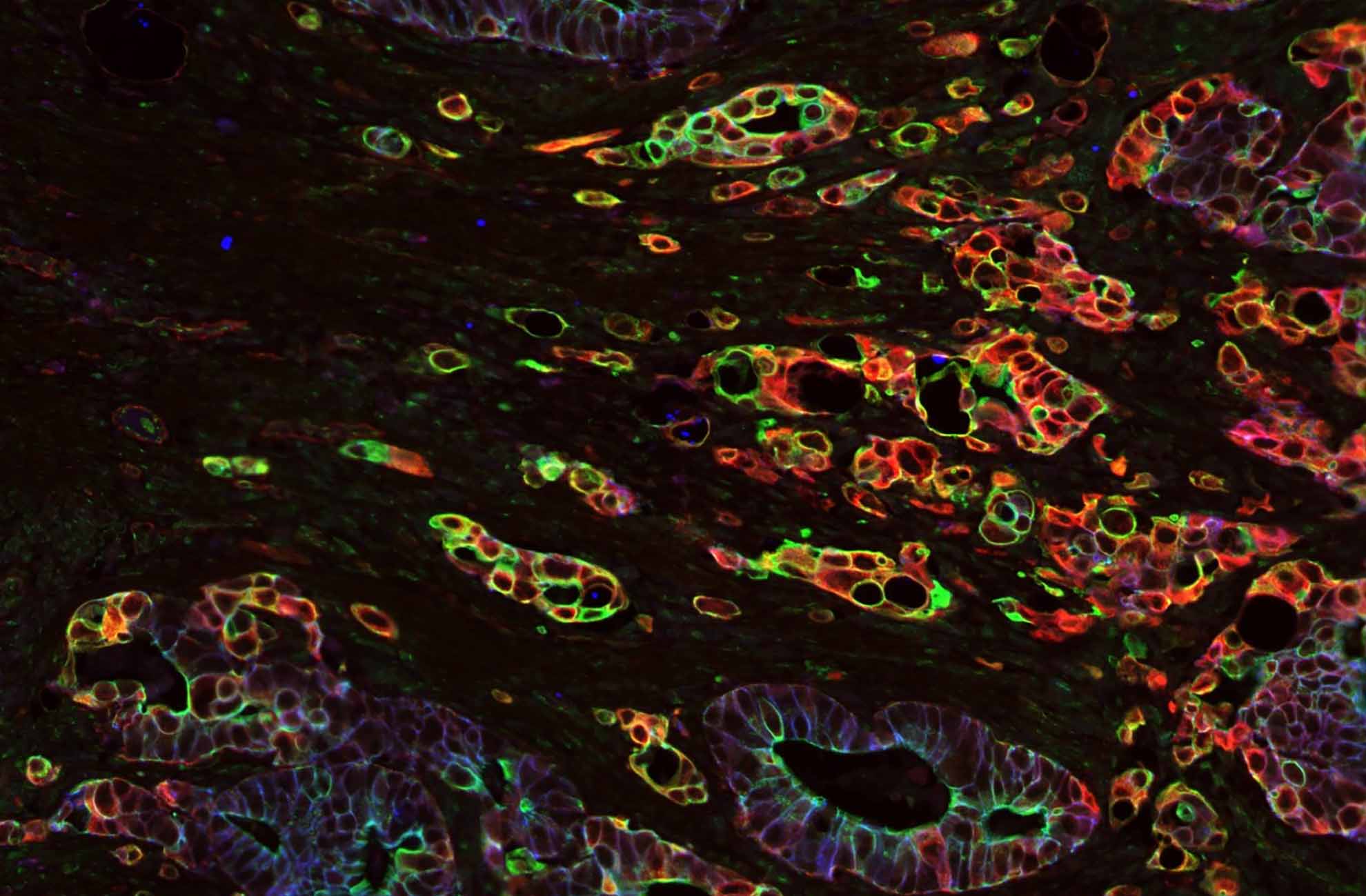
Immunohistochemistry (IHC) is pivotal in identifying and localizing CD markers in cancer tissues, providing a powerful means to profile cell surface molecules within the complex architecture of tissue samples. Through IHC, we can assess the spatial distribution of CD markers in different tumor microenvironments, which is essential for understanding cell population heterogeneity, signaling pathways, and tumor immune evasion.
IHC’s specificity and versatility make it indispensable for translating molecular marker data into meaningful cellular insights, informing both diagnostic and therapeutic strategies across various cancer types.
Both monoclonal antibodies (providing specificity by binding to a single epitope), and polyclonal antibodies (targeting multiple epitopes, thus enhancing detection versatility), are essential for precisely identifying cell populations in complex diseases.


Human Protein Atlas | Primary Antibodies | MolBoolean | PrEST Control Antigens | IHC | ICC | WB | ChIP | Enhanced Antibody Validation
We gladly support you by keeping you updated on our latest products and developments