To better understand SolisFAST® qPCR range’s inhibitor tolerance capabilities, Solis BioDyne has put together a white paper. It includes results from different tests, shows real-life application possibilities, and feedback about the products.
PCR inhibitors prevent the amplification of DNA during the PCR, usually by either interacting with DNA or DNA polymerase, which may affect the sensitivity of the reaction or lead to false negative results [ref. 1]. To avoid this, samples are generally filtered, and DNA is purified [ref. 1]. Unfortunately, removing the inhibitor(s) completely is not always possible. Once this happens, the inhibitors can bind to the DNA, preventing access to it [ref. 1]. They can also reduce the availability of cofactors or interfere with their interaction with DNA polymerase [ref. 1]. Therefore, a good inhibitor-tolerant PCR mix is very useful to avoid these kinds of inhibitor-related problems.
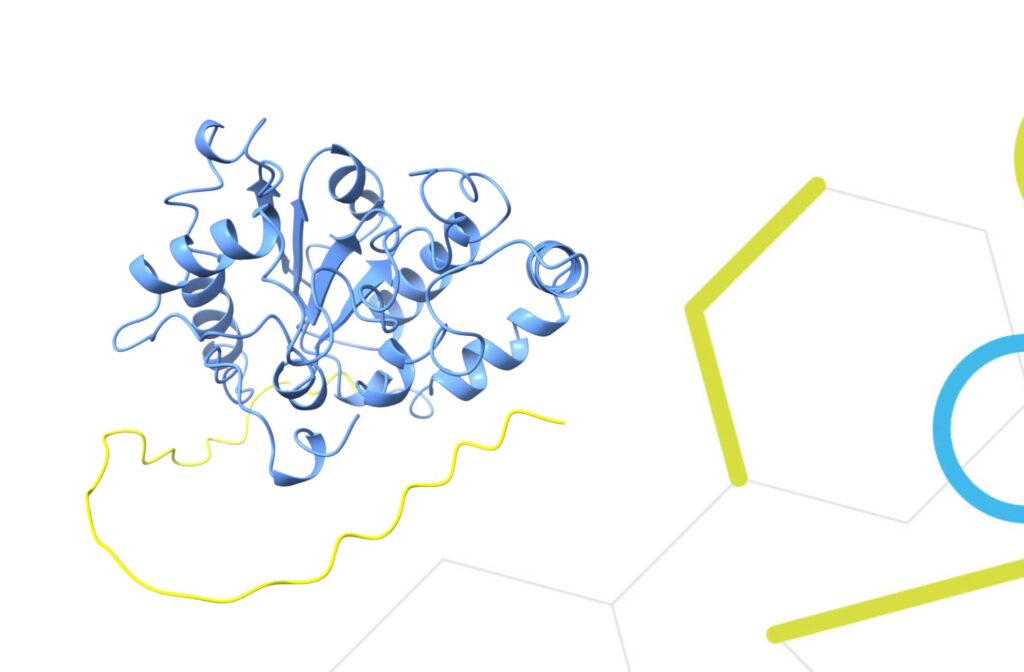
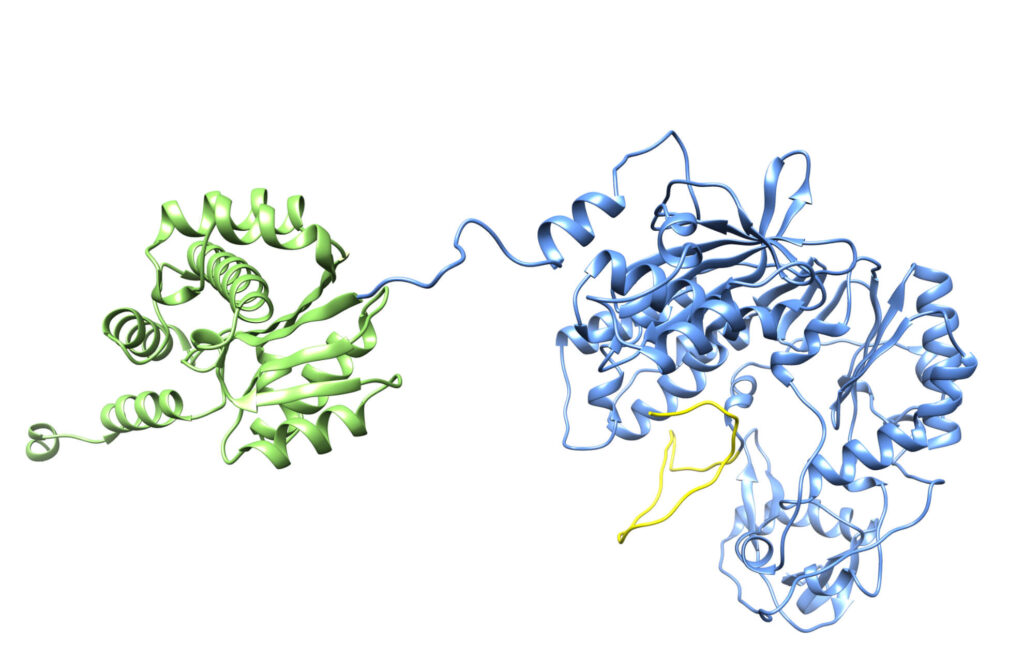
Solis BioDyne’s SolisFAST® DNA Polymerase is an in silico designed enzyme with fast extension rates and a programmed tolerance to inhibitory substances. Combining that with an optimized buffer, the SolisFAST® qPCR Mixes enable robust qPCR performance and accurate target detection under demanding conditions. Together with their Stability TAG technology, the mixes are not just inhibitor tolerant, but also stable at room temperature for up to six months, depending on the product [ref. 2, 3 and 4].



PCR | Enzymes and Master Mixes | qPCR: Fast, Stable at RT, Tolerant to inhibitors | cDNA | RNase Inhibitors | dNTP|LAMP | Loading Dyes | Nucleotides | DNA Ladders
We gladly support you by keeping you updated on our latest products and developments